Dirt collector: 1963 Alfa Romeo 2600 Sprint

The Alfa Romeo 2600 Sprint was the six-cylinder flagship of Alfa Romeo’s early-1960s range, combining the company’s 2.6-litre twin-cam straight-six with Bertone coachwork styled by Giorgetto Giugiaro. It was a substantial grand tourer rather than a lightweight sports car, and today the mechanical specification is only part of the restoration challenge: much of the expense… Read More Dirt collector: 1963 Alfa Romeo 2600 Sprint
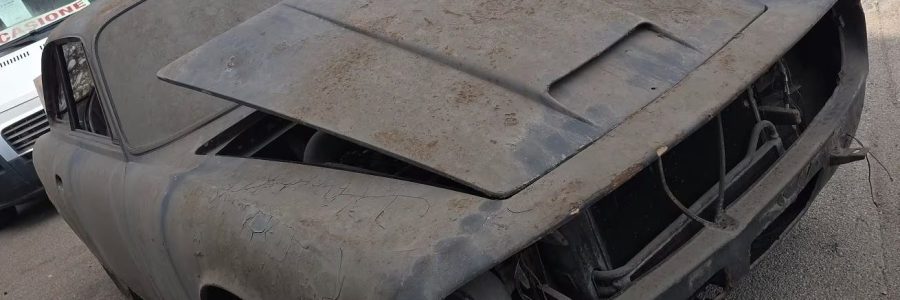
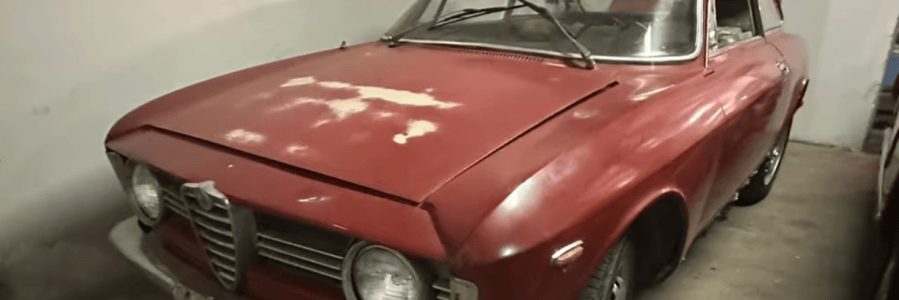
Sleeping beauty: 1967 Alfa Romeo Giulia Sprint GT Veloce

The Giulia Sprint GT Veloce was the more sporting evolution of Alfa Romeo’s Bertone-designed “scalino” coupé, combining the compact 105-series body with the 1.6-litre twin-cam four-cylinder and a more focused specification than the standard Sprint GT. Produced in relatively small numbers compared with later 1750 and 2000 GT variants, the 1600 Veloce has become especially… Read More Sleeping beauty: 1967 Alfa Romeo Giulia Sprint GT Veloce

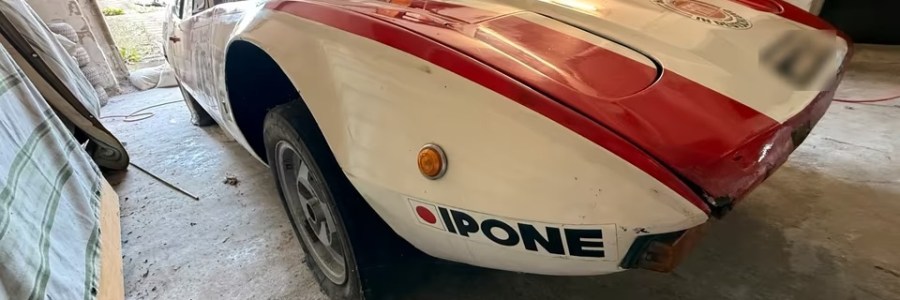
Racing livery: 1970 Francis Lombardi 850 Grand Prix

The Francis Lombardi 850 Grand Prix was one of the more unusual Italian small-series sports cars built around Fiat 850 mechanicals. Its low, compact fastback body and rear-engined layout gave it a character quite different from the standard Fiat, while production remained limited enough for surviving cars to be genuinely uncommon today. The model also… Read More Racing livery: 1970 Francis Lombardi 850 Grand Prix

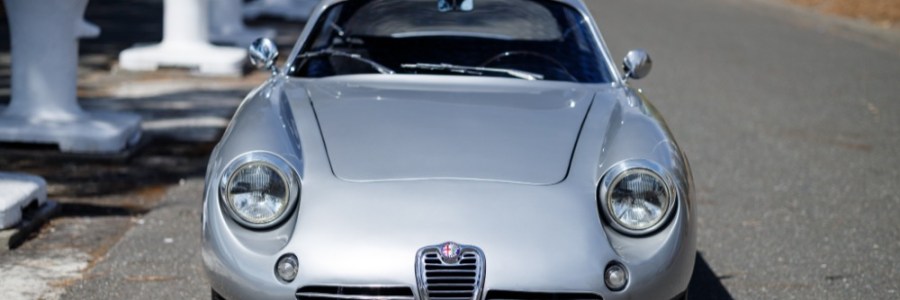
Silver Kamm-tail: 1962 Alfa Romeo Giulietta SZ “Coda Tronca” by Zagato

The Giulietta SZ “Coda Tronca” represents the final evolution of Alfa Romeo’s lightweight Zagato-bodied Giulietta competition cars. Built around the Giulietta Spider chassis, the SZ combined aluminium bodywork, Plexiglas glazing and Alfa Romeo’s 1.3-litre twin-cam engine in a very compact package. The later Coda Tronca introduced the distinctive Kamm-style tail intended to improve high-speed stability,… Read More Silver Kamm-tail: 1962 Alfa Romeo Giulietta SZ “Coda Tronca” by Zagato

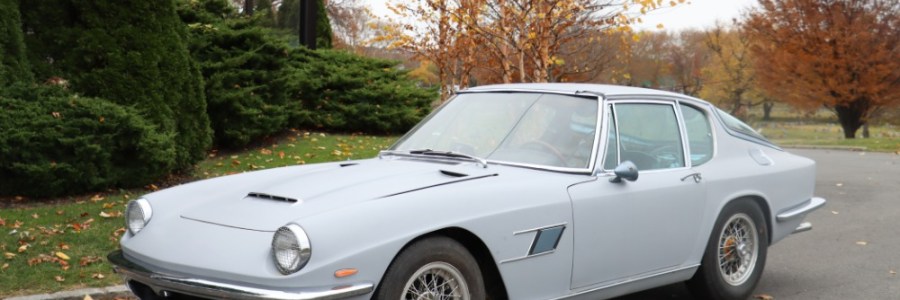
Italian project: 1968 Maserati Mistral 4.0

The Maserati Mistral was introduced in 1963 as the successor to the 3500 GT and represented an important transition for the company. Designed by Pietro Frua, it combined a compact fastback body with Maserati’s twin-cam straight-six, an engine derived from the company’s competition experience. The 4.0-litre version sat at the top of the range and… Read More Italian project: 1968 Maserati Mistral 4.0

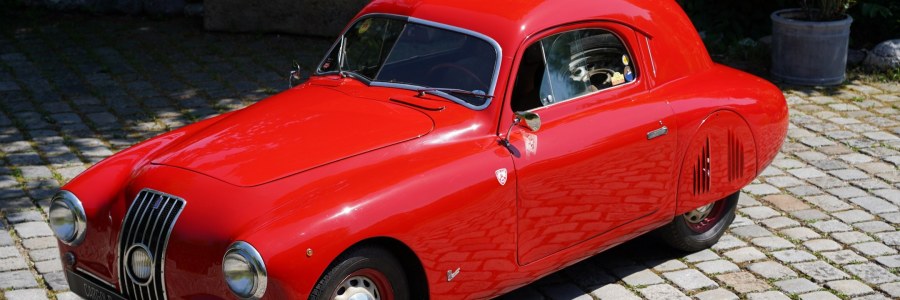
Red egg: 1948 Fiat 1100 S MM

The Fiat 1100 S Berlinetta belongs to the small group of competition-derived cars with which Fiat returned to major international road racing immediately after the war. Developed under Dante Giacosa, the 1100 S combined heavily revised mechanicals with a streamlined body conceived for events such as the Mille Miglia. This 1948 evolution received aluminium coachwork… Read More Red egg: 1948 Fiat 1100 S MM

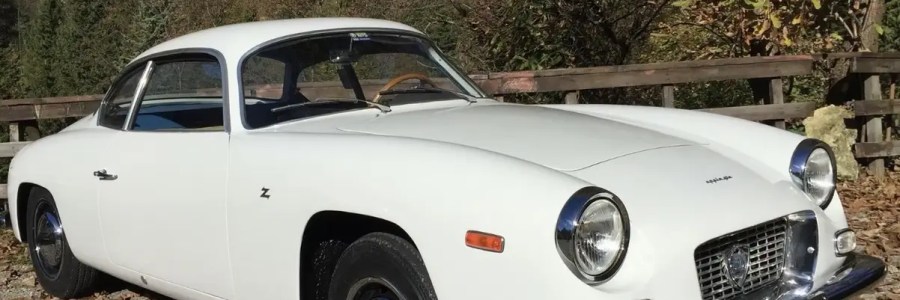
Everything matches: 1960 Lancia Appia Sport by Zagato

The Lancia Appia Sport Zagato is widely regarded as one of the purest expressions of post-war Italian coachbuilding. Built on the Appia’s advanced narrow-angle V4 platform, Zagato clothed it with an exceptionally light aluminium body that combined elegance with genuine sporting intent. Production was extremely limited, and cars retaining their original mechanical components, documentation and… Read More Everything matches: 1960 Lancia Appia Sport by Zagato

Silver jewel: 1950 Cisitalia 202B Cabriolet by Vignale

The Cisitalia 202 was one of the defining post-war Italian sports cars, celebrated as much for its engineering as for its styling. While the Pinin Farina-designed coupé entered the permanent collection of the Museum of Modern Art in New York, a small number of bespoke cabriolets and special-bodied variants were commissioned from coachbuilders including Vignale.… Read More Silver jewel: 1950 Cisitalia 202B Cabriolet by Vignale

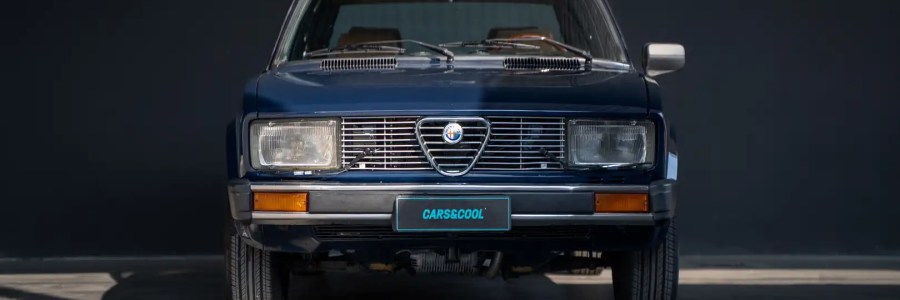
Blue survivor: 1982 Alfa Romeo Alfetta 2.0

The Alfa Romeo Alfetta was conceived as the technological flagship of Alfa Romeo’s sedan range, introducing a transaxle layout that placed the gearbox and clutch at the rear for improved weight distribution. By the early 1980s the 2.0-litre version represented the most refined evolution of the original project, combining the marque’s twin-cam four-cylinder engine with… Read More Blue survivor: 1982 Alfa Romeo Alfetta 2.0

Hidden since ’79: 1958 Alfa Romeo Giulietta Spider

The Alfa Romeo Giulietta Spider helped establish the brand’s reputation in the American market during the 1950s. Styled by Pinin Farina and powered by Alfa Romeo’s advanced twin-cam four-cylinder engine, it combined light weight, lively performance and elegant proportions in a package that appealed equally to sports car enthusiasts and everyday drivers. Many spent decades… Read More Hidden since ’79: 1958 Alfa Romeo Giulietta Spider