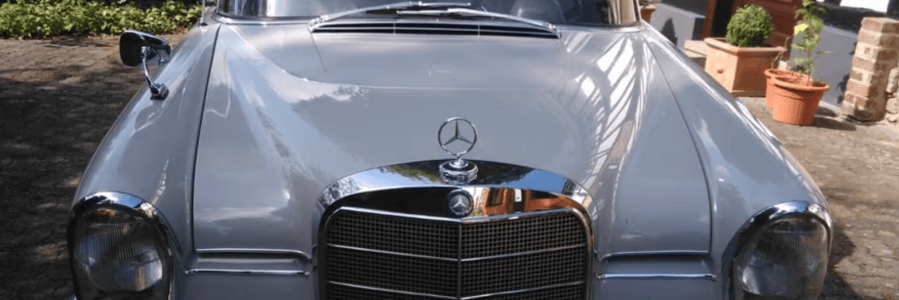
Lichtgrau survivor: 1965 Mercedes-Benz 220 SEb

The Mercedes-Benz 220 SEb belongs to the W111 “Heckflosse” generation introduced in 1959, combining the restrained tailfins of Paul Bracq’s design with considerably more modern engineering than its appearance might suggest. The 220 SEb used Mercedes’ 2.2-litre fuel-injected six-cylinder engine and independent suspension, including the characteristic single-pivot swing axle at the rear. While restored W111… Read More Lichtgrau survivor: 1965 Mercedes-Benz 220 SEb

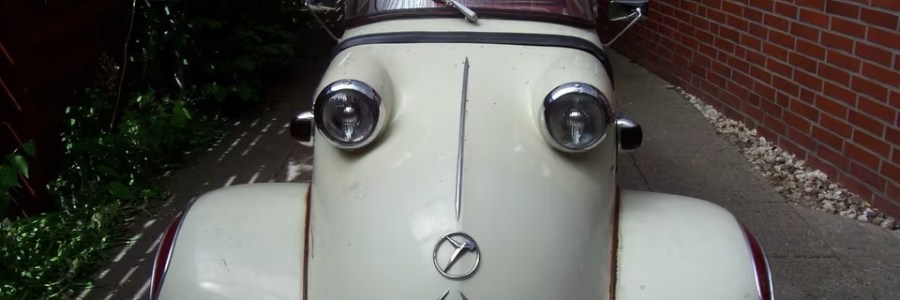
Aircraft cockpit: 1955 Messerschmitt KR200

The Messerschmitt KR200 arrived in 1955 as the more developed successor to the KR175, retaining the aircraft-like tandem seating and hinged transparent canopy that made the Kabinenroller immediately recognizable. Built by Messerschmitt in Regensburg and designed by Fritz Fend, it used a 191 cc two-stroke single-cylinder engine driving the single rear wheel. Its extremely low… Read More Aircraft cockpit: 1955 Messerschmitt KR200

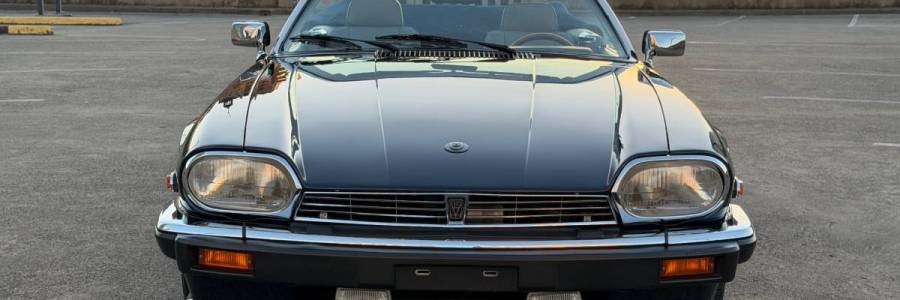
Blue twelve: 1989 Jaguar XJ-S V12 Convertible – Lister Aero Package

The Jaguar XJ-S Convertible arrived relatively late in the model’s long career, combining the 5.3-litre V12 with a factory open body rather than the earlier aftermarket conversions. By 1989 the XJ-S had developed into a mature grand tourer, but cars fitted with period Lister components occupy a more unusual corner of its history. Lister offered… Read More Blue twelve: 1989 Jaguar XJ-S V12 Convertible – Lister Aero Package

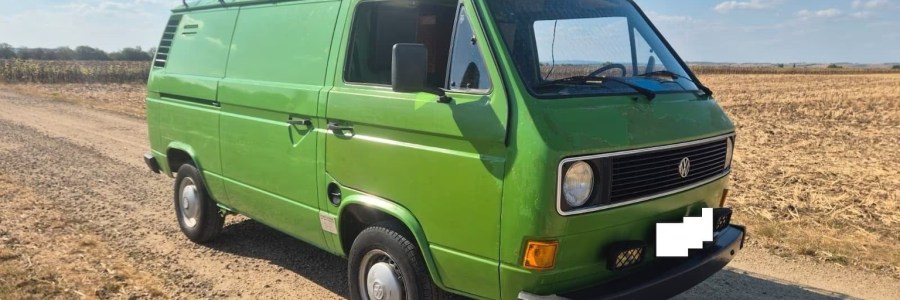
Green survivor: 1980 Volkswagen T3 Panel Bus

The Volkswagen T3 marked a significant step forward from the long-running Type 2 by introducing a more modern chassis while retaining the rear-mounted air-cooled flat-four that had defined Volkswagen vans for decades. Early examples powered by the 1.6-litre CT engine represent the final chapter of the classic air-cooled Transporter before water-cooled engines gradually became the… Read More Green survivor: 1980 Volkswagen T3 Panel Bus

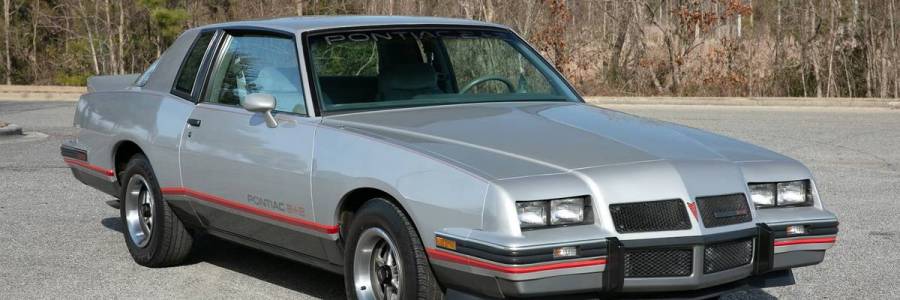
1,992 Miles: 1986 Pontiac Grand Prix Aerocoupé

The Pontiac Grand Prix 2+2 was created as a homologation special for NASCAR, where the dramatically sloped rear window and extended rear deck were designed to improve aerodynamic performance on high-speed oval tracks. Produced only for the 1986 model year, just 1,225 examples left the factory, making it one of the rarest G-body derivatives and… Read More 1,992 Miles: 1986 Pontiac Grand Prix Aerocoupé

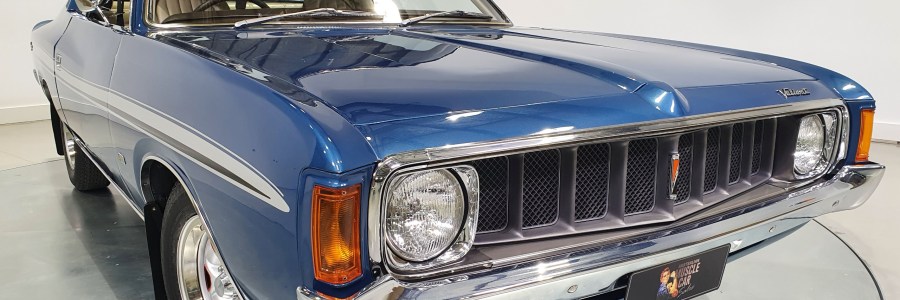
Aussie survivor: 1975 Chrysler VJ Valiant Charger XL Sports Pack

The Chrysler Valiant Charger is one of Australia’s defining performance cars of the early 1970s. Developed specifically for the local market, it combined compact dimensions with Chrysler Australia’s Hemi inline-six engines, earning a reputation for strong performance and distinctive styling. The VJ series refined the successful VH Charger, while the Sports Pack added visual and… Read More Aussie survivor: 1975 Chrysler VJ Valiant Charger XL Sports Pack

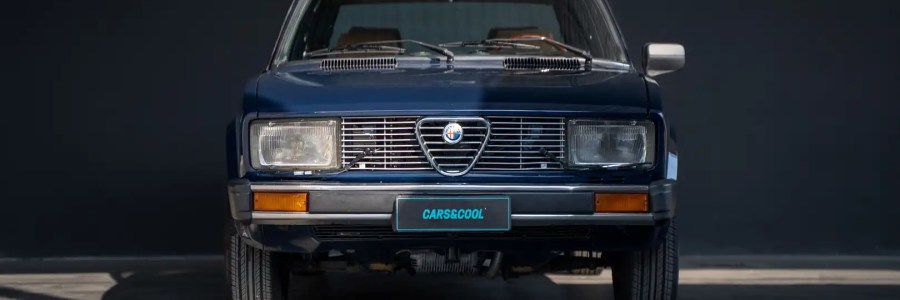
Blue survivor: 1982 Alfa Romeo Alfetta 2.0

The Alfa Romeo Alfetta was conceived as the technological flagship of Alfa Romeo’s sedan range, introducing a transaxle layout that placed the gearbox and clutch at the rear for improved weight distribution. By the early 1980s the 2.0-litre version represented the most refined evolution of the original project, combining the marque’s twin-cam four-cylinder engine with… Read More Blue survivor: 1982 Alfa Romeo Alfetta 2.0

Owned 58 years: 1965 Porsche 356C Coupé

The Porsche 356C represented the final evolution of the original 356 line, combining four-wheel disc brakes with the familiar rear-mounted flat-four that had defined Porsche’s first production sports car. By 1965, the model was approaching the end of its production run, offering a refined driving experience while retaining the lightweight simplicity that made the 356… Read More Owned 58 years: 1965 Porsche 356C Coupé