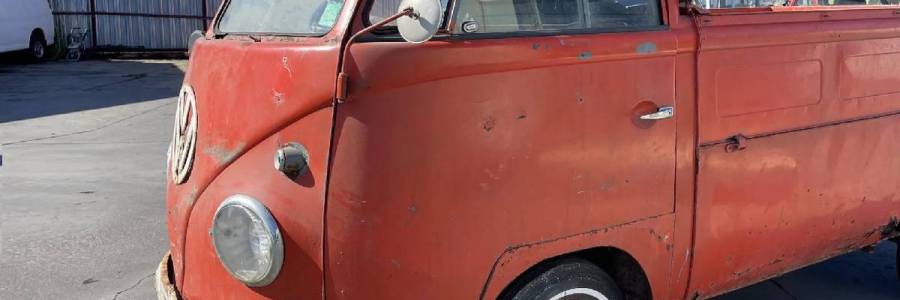
Red Safari: 1956 Volkswagen Type 2 Single Cab

The Volkswagen Type 2 Single Cab was the commercial derivative of the early Transporter, combining the forward-control cab with a three-sided drop-side load bed and the useful “treasure chest” storage compartment beneath it. This example is particularly early, with chassis number 165252 said to correspond to January 1956 Wolfsburg production, placing it within the pressed-bumper… Read More Red Safari: 1956 Volkswagen Type 2 Single Cab

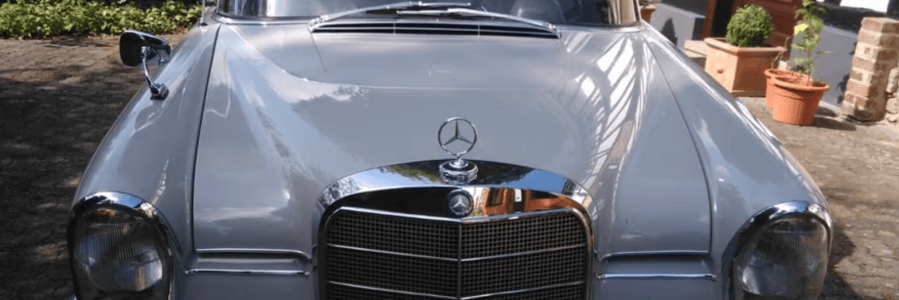
Lichtgrau survivor: 1965 Mercedes-Benz 220 SEb

The Mercedes-Benz 220 SEb belongs to the W111 “Heckflosse” generation introduced in 1959, combining the restrained tailfins of Paul Bracq’s design with considerably more modern engineering than its appearance might suggest. The 220 SEb used Mercedes’ 2.2-litre fuel-injected six-cylinder engine and independent suspension, including the characteristic single-pivot swing axle at the rear. While restored W111… Read More Lichtgrau survivor: 1965 Mercedes-Benz 220 SEb

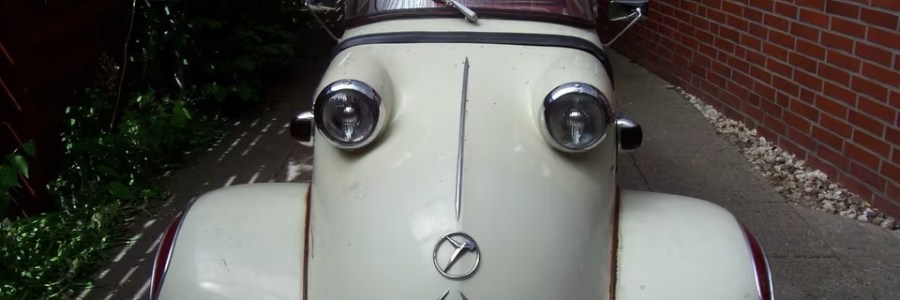
Aircraft cockpit: 1955 Messerschmitt KR200

The Messerschmitt KR200 arrived in 1955 as the more developed successor to the KR175, retaining the aircraft-like tandem seating and hinged transparent canopy that made the Kabinenroller immediately recognizable. Built by Messerschmitt in Regensburg and designed by Fritz Fend, it used a 191 cc two-stroke single-cylinder engine driving the single rear wheel. Its extremely low… Read More Aircraft cockpit: 1955 Messerschmitt KR200

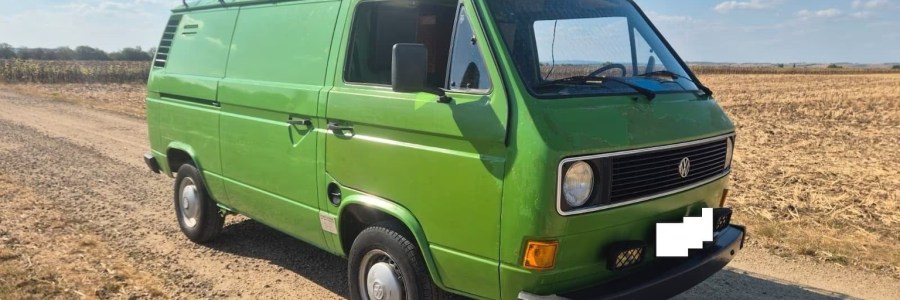
Green survivor: 1980 Volkswagen T3 Panel Bus

The Volkswagen T3 marked a significant step forward from the long-running Type 2 by introducing a more modern chassis while retaining the rear-mounted air-cooled flat-four that had defined Volkswagen vans for decades. Early examples powered by the 1.6-litre CT engine represent the final chapter of the classic air-cooled Transporter before water-cooled engines gradually became the… Read More Green survivor: 1980 Volkswagen T3 Panel Bus

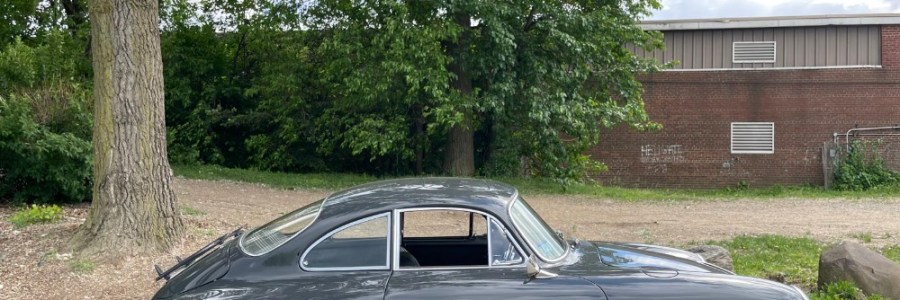
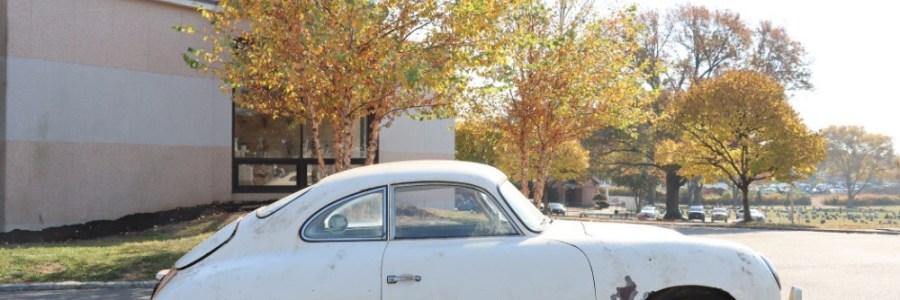
Owned 58 years: 1965 Porsche 356C Coupé

The Porsche 356C represented the final evolution of the original 356 line, combining four-wheel disc brakes with the familiar rear-mounted flat-four that had defined Porsche’s first production sports car. By 1965, the model was approaching the end of its production run, offering a refined driving experience while retaining the lightweight simplicity that made the 356… Read More Owned 58 years: 1965 Porsche 356C Coupé