

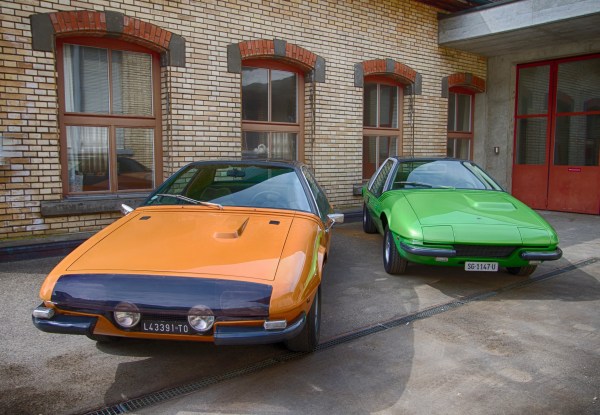
After covering last week the story of the first Fiat Zagato 132 Aster Coupé from 1972, we return to one of the most fascinating and overlooked chapters of Italian automotive design with its evolution, unveiled at the 1973 Geneva Motor Show.
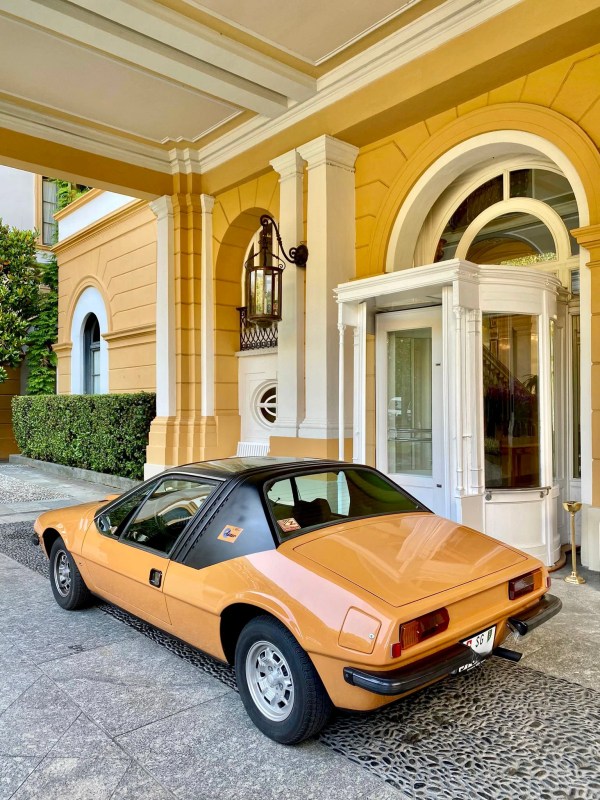
Once again based on the Fiat 132 platform, the project was born from the collaboration between Fiat and Zagato under the direction of designer Giuseppe Mittino – the same creative mind behind the Ferrari Zagato 3Z Cabriolet, the Ferrari NART Coupé, and later the celebrated Aston Martin V8 Vantage Zagato of 1984. Compared to the 1972 prototype, this second version introduced subtle yet meaningful refinements: smoother, more cohesive lines, a striking orange finish, and an overall more mature balance. What makes it even more intriguing to us is the front-end treatment – the headlights are enclosed beneath a shaped polycarbonate shell that follows the car’s sharp wedge profile, a futuristic and aerodynamic solution compared to the pop-up headlights of the first prototype.
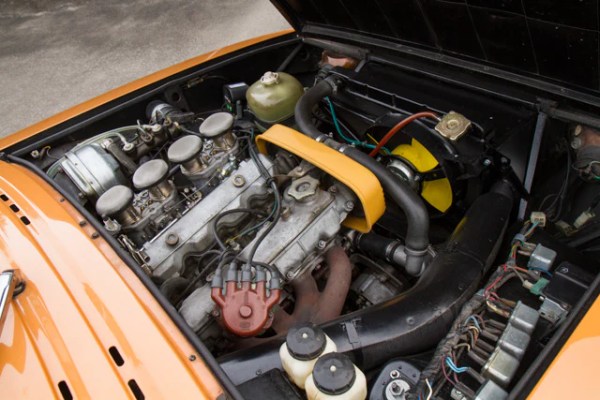
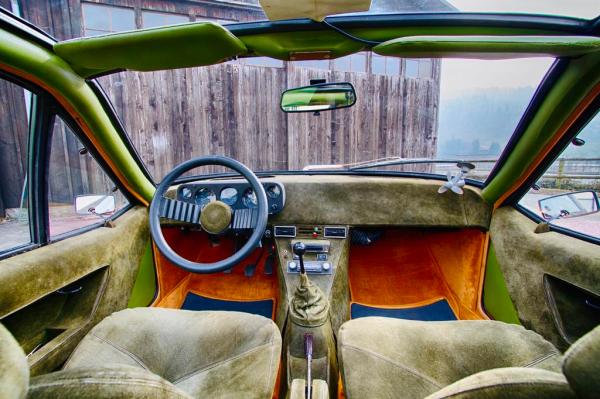
The body, built entirely in lightweight aluminum, reflects Zagato’s constant pursuit of performance through craftsmanship. The interior, trimmed in velvet with a minimalist, driver-oriented layout, remained unchanged, as did the mechanical foundation from the Fiat 132: a 1.8-liter twin-cam four producing about 100 horsepower, paired with a 5-speed manual gearbox. Although Fiat ultimately decided to bring the Bertone-designed X1/9 into production, the Aster remained a bold and imaginative vision of what a 1970s Italian grand tourer could have been. Today, quite remarkably, both the 1972 and 1973 Fiat Zagato Aster prototypes survive under the care of the same owner, preserved in unrestored yet fully operational condition – two extraordinary time capsules from an era when Italian design and innovation moved fearlessly forward. Find it for sale here in Copenhagen, Denmark. Thanks to Fluc for this tip!
 Classic Virus